Who Carries the Bag Now? Britain's Caddie Shortage and the Future of the Fairway Workforce
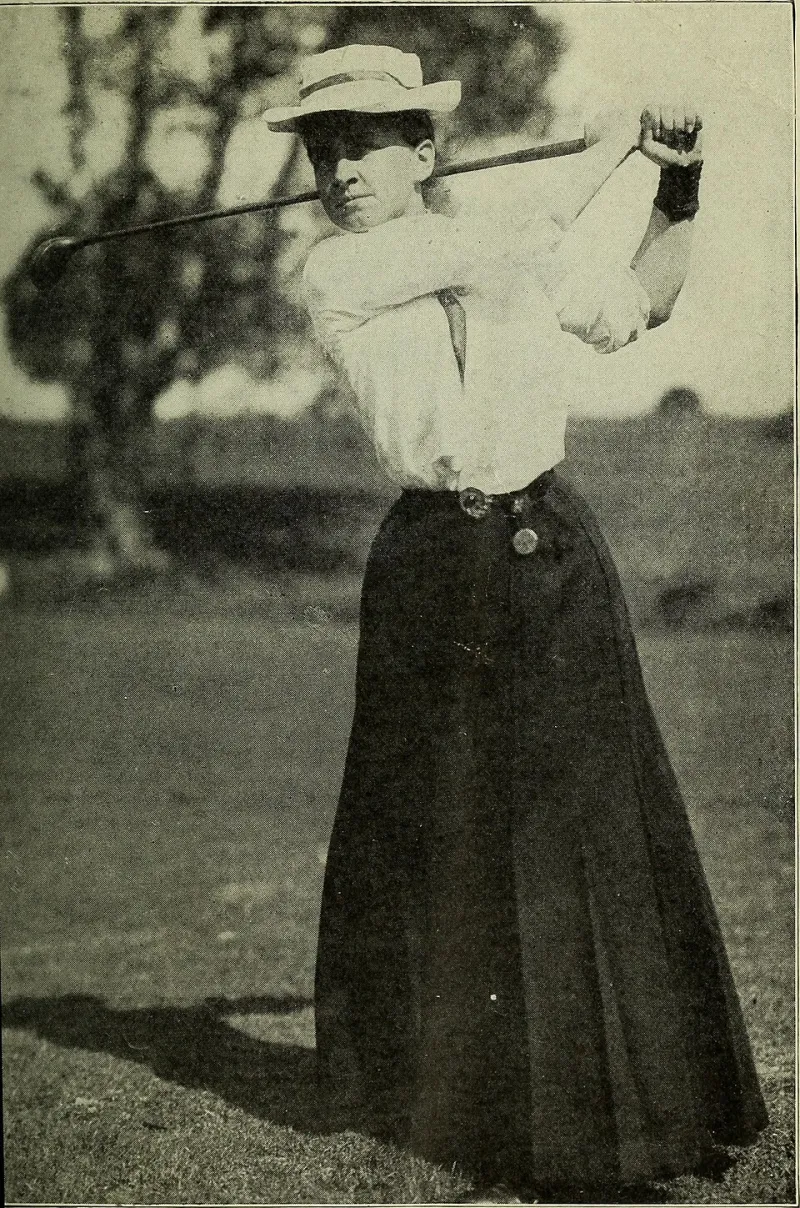
Photo: Evans, Chick, 1890-1979, No restrictions, via Wikimedia Commons
At first light, the caddie shed used to tell its own story. A row of bags, a kettle coming to the boil, and a handful of experienced loopers trading weather forecasts and course notes before the first tee time. In 2026, that scene is less reliable. At some British clubs the shed is full; at many others it is half-empty, and the caddie master is doing what amounts to workforce planning between breakfast and the first group off.
The shortage is not confined to the marquee links that overseas visitors associate with the British game. It runs through parkland clubs, downland courses and municipal-adjacent venues where caddies have long provided a mix of local knowledge, companionship and a useful pair of hands. The reasons are familiar to anyone who runs a club: seasonality, inconsistent earnings, competition from hospitality and retail work, the retirement of veteran loopers, and the difficulty of persuading younger people that carrying a bag is a worthwhile way to spend a Saturday.
A Shrinking Bench
Caddie masters speak less of a single crisis than of a slow erosion. The experienced caddie who knows every borrow on a green is increasingly valuable, and increasingly rare. Behind that group, the bench of younger caddies is thinner than clubs would like. Some potential recruits are put off by the physical demands; others by the uncertainty of tipping, the weather, or the sheer awkwardness of being available at short notice for a fee that may not match a shift in a café or a supermarket.
The economics matter. A caddie's income is often a patchwork of fees, gratuities and repeat bookings. At clubs with a strong visitor trade, demand can be high but concentrated into a short season. At clubs with less visitor traffic, the work is sporadic. Housing costs in golf towns add another pressure, particularly where caddies once lived within walking distance of the course. The result is a labour force that is older, more fragile and harder to schedule than the clubhouse diary would suggest.
There is also a cultural question. Caddying has sometimes been treated as a casual arrangement rather than a skilled role. That casualness is precisely what makes it attractive to some and precarious for others. If clubs want a reliable caddie programme, they must decide whether they are offering a gig, a service or a profession. The answer shapes everything from training to pay to the way visitors are introduced to the club.
Pace, Experience and the Working Club
The shortage matters first for pace of play. A good caddie reads the course, anticipates the next shot and keeps a group moving without making it feel rushed. On a busy visitor day, that quiet efficiency can be the difference between a four-hour round and a five-hour one. Clubs that rely on visitors often find that caddies are not a luxury but a practical tool for managing flow across the course.
It matters too for the visitor experience. For many overseas golfers, a caddie is part of the romance of a British links or parkland round: the local accent, the unfashionable but correct club choice, the story behind a bunker. When no caddie is available, the club can still deliver a fine day, but it loses a layer of welcome and interpretation. The bag shed is an ambassador service as much as a labour pool.
And it matters for golf's working culture. Caddying has long been an entry point into the game. Young loopers learn etiquette, course management, weather, turf and conversation. Some move into greenkeeping, club management, coaching or tournament operations. If that ladder disappears, the industry loses a useful nursery of people who understand the course from the inside. A club that cannot find a caddie today may find it harder to recruit a knowledgeable assistant manager tomorrow.
Rebuilding the Pipeline
Clubs are not standing still. Across Britain in 2026, caddie masters are experimenting with clearer fee structures, guaranteed minimum payments, digital booking systems and better communications with visiting groups. Some are introducing tiered caddie categories, with trainees shadowing experienced loopers before taking a bag alone. Others are working with schools, colleges and local sports groups to present caddying as a seasonal skill with real responsibilities rather than an informal favour.
Training is becoming more structured without becoming overbearing. The best programmes cover pace of play, basic rules, etiquette, course strategy and customer care. They also explain the commercial reality: a caddie represents the club, and a good reputation travels. Practical support helps as well, from waterproofs and meals to transport and a dry room. These are small costs compared with the value of a reliable caddie roster, especially at clubs where visitor income supports the wider operation.
There is a risk, however, in turning caddying into a premium service available only at the most famous links. That would solve a problem for elite venues while deepening the divide elsewhere. Parkland clubs and less celebrated courses also benefit from caddies, whether for visiting societies, junior development or members who prefer to walk without carrying. The pipeline is strongest when it is broad, not when it is confined to a handful of postcards.
The Apprenticeship Question
The traditional bag-carrying apprenticeship can survive, but not by nostalgia alone. It needs fair pay, predictable work, decent conditions and a visible path forward. Clubs that treat caddies as a genuine part of the operation tend to keep them. Clubs that treat them as an afterthought tend to lose them to jobs with warmer rooms and clearer hours.
For young people, the appeal is not only the money. It is the access: to the course, to experienced players, to the clubhouse network. Caddie scholarships, mentoring and links to greenkeeping or club administration could make that access more meaningful. For experienced caddies, the appeal is respect and continuity. A caddie master who knows the roster, the members and the visitor calendar is worth far more than a booking app, however useful that app may be.
The vanishing loop is therefore not a minor staffing inconvenience. It is a signal about how British clubs value the people who make a round work. In 2026, the clubs rebuilding the caddie pipeline are not simply filling bags. They are protecting pace of play, visitor hospitality and one of golf's oldest working traditions. The question is whether the rest of the game will follow before the shed falls quiet for good.