Coffee, Carvery and the Case for the Clubhouse
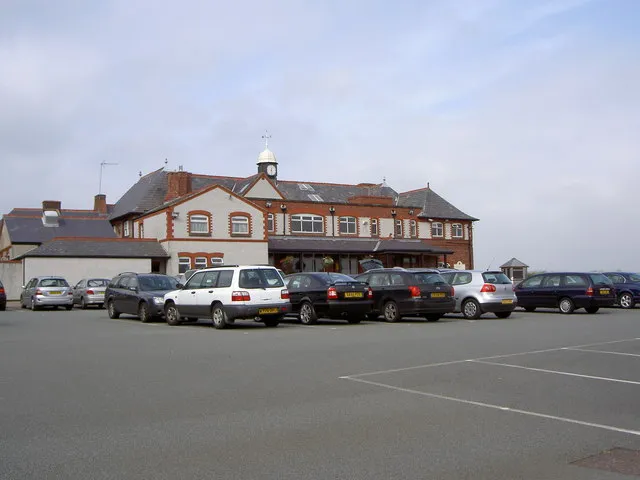
Photo: David Quinn, CC BY-SA 2.0, via Wikimedia Commons
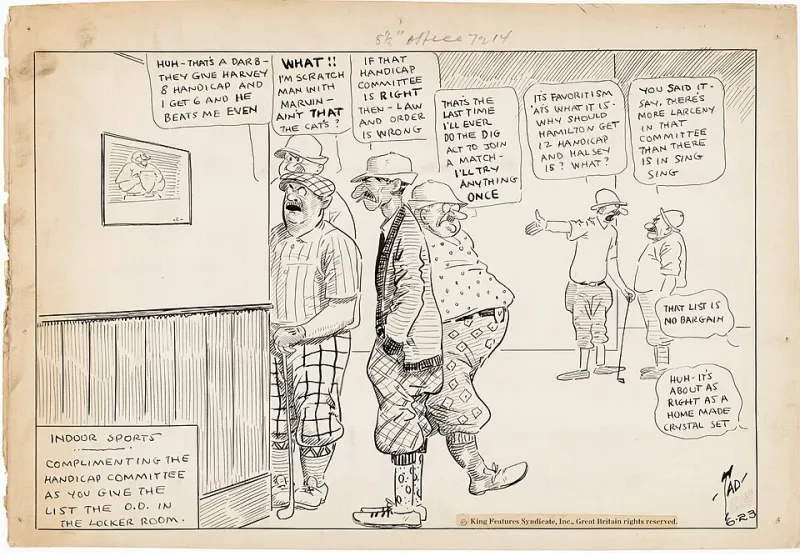
The clubhouse has always been a curious institution. It is part changing room, part committee room, part social club and part refuge from the rain. In Britain, it has often been loved for its shabbiness as much as its comfort: the noticeboard, the trophy cabinet, the bar that opens according to custom rather than demand. Yet a growing number of clubs are asking whether that model can survive a membership market that is older, more time-pressed and more selective than it was a generation ago. The answer, increasingly, is to treat the clubhouse as a destination in its own right.
That shift is visible from Kent to Lancashire. Clubs are opening coffee shops to passing trade, extending kitchen hours, hosting quiz nights, talks and supper clubs, and renting space to local businesses. Some have refurbished dining rooms that had been dark for years. Others have built modest outdoor terraces that do more for winter revenue than any marketing campaign. The language has changed too: less talk of the nineteenth hole as a place to sign the card, more talk of hospitality, community and year-round use.
From Changing Room to Destination
The traditional British clubhouse was designed around the round. It served breakfast before the medal, soup at lunch and a drink after the match. That rhythm still suits many members, particularly at weekends, but it leaves long hours of underused space during the week. The new approach is not necessarily grand. It may be as simple as a decent coffee machine, a breakfast menu that appeals to non-golfers, and a room that can be booked for a meeting without disturbing the members' bar.
The most convincing examples tend to share three features. First, the golf remains the anchor: the clubhouse does not pretend to be a restaurant that happens to have a course outside. Second, the hospitality is priced for the local market rather than for a captive audience. Third, the club has thought about who it wants to attract, whether that is families, remote workers, local societies or former members who no longer play. Without those disciplines, a refurbishment becomes an expensive gesture.
The Best Examples
One links club in East Lothian has turned a largely unused dining room into a daytime cafe that serves walkers and dog owners as well as golfers. The club reports that the room now earns its keep in winter, when the course is quiet and the bar alone would not cover costs. A Surrey downland club has gone further, creating a small co-working corner and hosting local business breakfasts on weekdays. In Cheshire, a parkland club has built its reputation on Sunday lunch, which brings in families who may never have set foot on the fairway.
These are not identical models, and that is the point. The clubhouse dividend is not a single formula. It depends on location, membership profile, car parking, kitchen capacity and the willingness of members to share their space. A city-fringe club with good transport links can support a weekday cafe in a way that a remote rural club cannot. A members' club with a strong bar culture may resist change more than a proprietary club seeking new income. The common thread is discipline: a clear offer, decent service and a realistic sense of what the local market will bear.
The European Comparison
British clubs often look enviously at continental Europe, though the comparison is not straightforward. In Spain and Portugal, the clubhouse restaurant is frequently a separate commercial enterprise, open to non-members and marketed as a destination in its own right. In Sweden, the clubhouse often functions as a community hub, with family events and informal dining integrated into the club's identity. In France, the best clubhouses combine a modest professionalism with a strong sense of local custom; the worst are merely functional.
The lesson for Britain is not to import a Mediterranean terrace culture wholesale. It is to recognise that hospitality is a business with its own standards. A clubhouse that serves indifferent food at members' prices will not attract outsiders simply because it has been repainted. A club that employs good people, keeps the kitchen consistent and markets itself honestly can compete with local pubs and cafes. The continental example suggests that success comes from openness, not from treating the clubhouse as a private fiefdom.
Can Hospitality Shore Up Membership?
Hospitality can certainly help. It can generate income when the course is quiet, encourage social membership, attract families and give existing members a reason to spend more time at the club. It can also soften the membership conversation: a club that feels alive on a Tuesday morning is easier to sell than one that resembles a museum with a handicap list. In a difficult market, that matters.
But hospitality cannot rescue a club with a poor course, an unwelcoming culture or a committee that treats new members as a nuisance. Nor can it replace the core product. Golfers join clubs to play golf, and they stay because the course, the competition and the company are good. A superb restaurant may distract from a deteriorating fairway for a season, but not for a decade. The risk is that clubs spend capital on the clubhouse and then find that the membership still declines because the first tee experience has not improved.
The Risks of the Wrong Kind of Buzz
There are practical dangers too. Events can clash with competition days, filling the car park and displacing members from their own bar. Noise, opening hours and the balance between members and public guests need careful management. Staffing a seven-day hospitality operation is not the same as running a bar on match days. Clubs should be honest about the skills they lack and the costs they will incur.
The governance question is equally important. Members are usually willing to support change if they understand why it is happening and what it will pay for. They are less willing if they feel that their clubhouse has been handed over to wedding parties without consultation. A clear policy on room use, pricing and member priority is not bureaucracy; it is the basis of trust.
A Balanced Verdict
The clubhouse dividend is real, but it is conditional. The clubs that benefit most are those that treat hospitality as an extension of their identity rather than a distraction from it. They invest in good food, sensible service and a calendar that respects both golfers and the wider community. They do not expect the restaurant to subsidise a failing course, and they do not allow the events business to crowd out the members.
For British golf, the opportunity is considerable. The clubhouse is one of the few assets a club owns that can be used every day of the year, by people who may never play the course. Used well, it can strengthen the club's finances and its place in the local community. Used badly, it becomes an expensive lesson in the difference between hospitality and hope. The nineteenth hole should not become the first business, but it deserves better than being a changing room with a bar.