Tee Sheets and Text Threads: The Quiet Revival of the British Club Morning
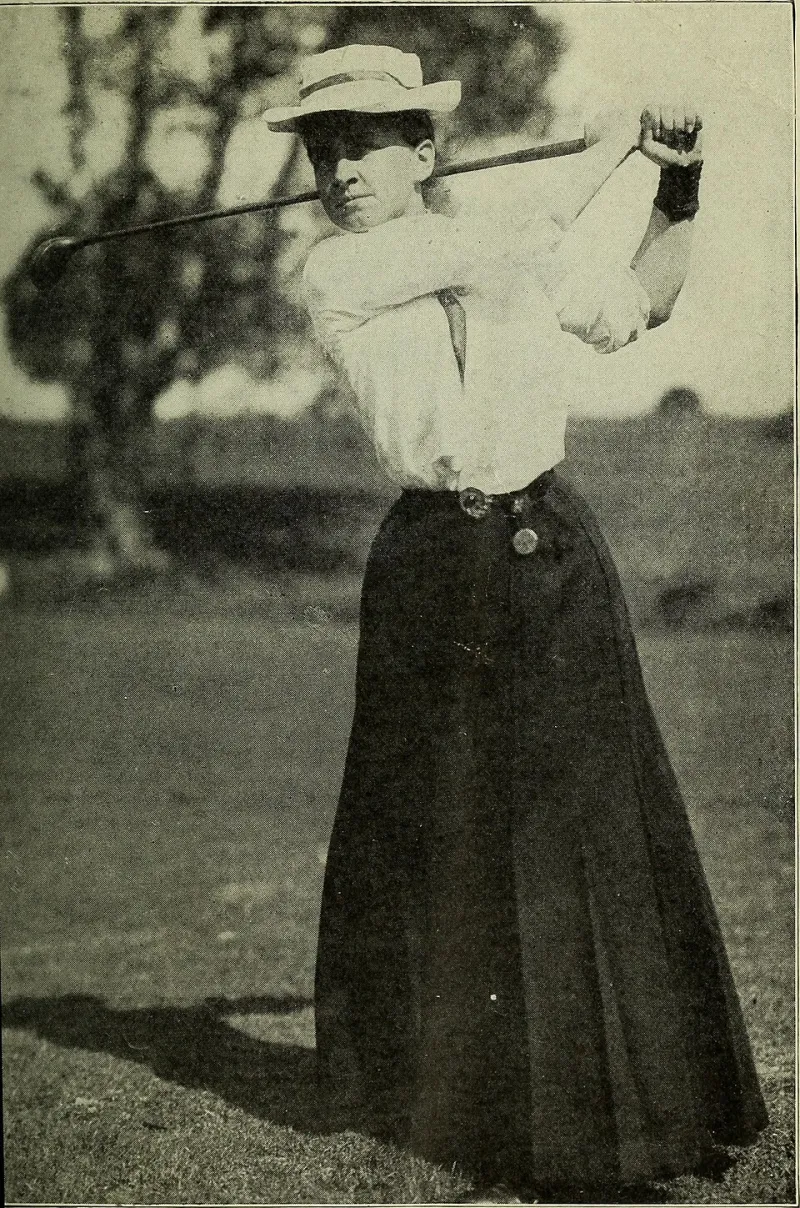
Photo: Unknown authorUnknown author, Public domain, via Wikimedia Commons
On a damp Tuesday morning at a parkland club in the Home Counties, the most active competition is not on the noticeboard. It is in a WhatsApp group. A convener posts a poll on Sunday evening, names appear through Monday, and by first light the group has filled three tee times, arranged pairings, settled a modest sweep and agreed who is buying the coffee. No committee minutes, no formal draw, no trophy. Yet the tee sheet is fuller, the bar is busier and several players are on the course who might otherwise have stayed at home.
This is the quiet story of British club golf in 2026. The roll-up is not new; informal groups have long gathered for weekday games. What has changed is their reach and organisation. Messaging apps have made it easier for shift workers, freelancers, parents and retirees to coordinate at short notice. Clubs that once saw such groups as an occasional inconvenience are now recognising them as a useful part of the weekly rhythm.
From noticeboard to group chat
The typical roll-up remains pleasingly modest. A regular convener, or a small group of them, posts a time and a format. Players confirm availability, the convener builds the draw, and the club reserves a block of tee times. The game is usually stableford or a fourball better-ball, with preferred lies in winter and a small sweep that covers the coffee and perhaps a few balls. There is banter, but also a code: turn up when you say you will, play promptly, and do not leave the convener chasing names on the morning.
The demographic is broader than the popular image suggests. Yes, retired members are prominent, particularly on Tuesday and Thursday mornings. But the groups also include self-employed tradespeople, hospital staff coming off shifts, parents who can play only after the school run, and newer golfers who find a formal medal intimidating. For them, the roll-up offers a low-risk entry point: a game with familiar faces, no requirement to commit to a full competition calendar, and a natural route into the club's social life.
Why clubs are paying attention
The economics are modest but cumulative. A block of weekday tee times that might otherwise sit empty can generate green fees, trolley hire, food and drink, and perhaps a few extra range tokens. More importantly, the roll-up builds the kind of social attachment that keeps members renewing. Clubs that have spent years worrying about declining midweek play are finding that a well-run group can do more for the atmosphere than a glossy recruitment campaign.
There is also a membership pathway. A player who joins a roll-up as a guest or a flexible member may later take full membership; a lapsed golfer may return through a group of old friends. The best-run clubs make that progression easy. They publish a clear guest policy, offer a temporary membership or pay-as-you-play option, and ensure the convener knows who to contact about joining. The roll-up becomes a front door rather than a side entrance.
The handicap question
Casual play raises a familiar tension. Roll-ups are often played with gimmes, preferred lies and a relaxed attitude to the rules. That is part of their appeal, but it can leave handicaps stale and confidence fragile when players enter qualifiers. Clubs and counties have become more attentive to this in recent years, and the sensible approach is not to formalise every Tuesday morning but to offer a route for those who want one.
Where the format and field allow, a roll-up can be pre-registered so that scores are returned for handicap. Convener-led groups can also encourage players to put in cards during separate qualifying rounds, or to use the roll-up as practice for the club's main competitions. The point is to avoid a two-tier culture in which casual players drift away from handicap golf altogether. A light touch works best: explain the options, do not lecture, and let the group decide how formal it wants to be.
Governance without over-management
Committees have legitimate concerns. A regular group can become possessive about tee times, resist visitor bookings, or turn into a clique that discourages newcomers. There is also the risk of disputes over draws, guest fees and bar tabs. The answer is not a heavy-handed policy but a clear understanding between club and convener.
The best examples tend to share a few features: a named convener, a fixed booking window, a transparent tee sheet, a review at the end of the season, and an explicit rule that the club retains control of the times. Some clubs ask the group to provide a small float for prizes and coffee; others simply ask for prompt payment of green fees. The arrangement should be easy to explain to a new member and easy to unwind if it stops working. In practice, most roll-ups need less management than the committee fears and more recognition than it often gives.
A lifeline, not a loophole
The roll-up will not solve every problem facing British clubs. It will not repair a leaking roof, settle a governance dispute or replace a junior programme. But it is one of the few organic routes to participation that clubs have left. It fills quiet tee times, brings lapsed golfers back into the fold and gives new members a friendly first game. In an era when many clubs are searching for ways to make membership feel less transactional, the Tuesday group chat may be doing more good than anyone expected.
The lesson for clubs is straightforward. Do not treat the roll-up as a nuisance to be tolerated. Treat it as a relationship to be managed, lightly and openly. The tee sheet, the bar and the membership list will usually be the better for it.