The Morning After the Open: What Royal Birkdale's Neighbours Inherit
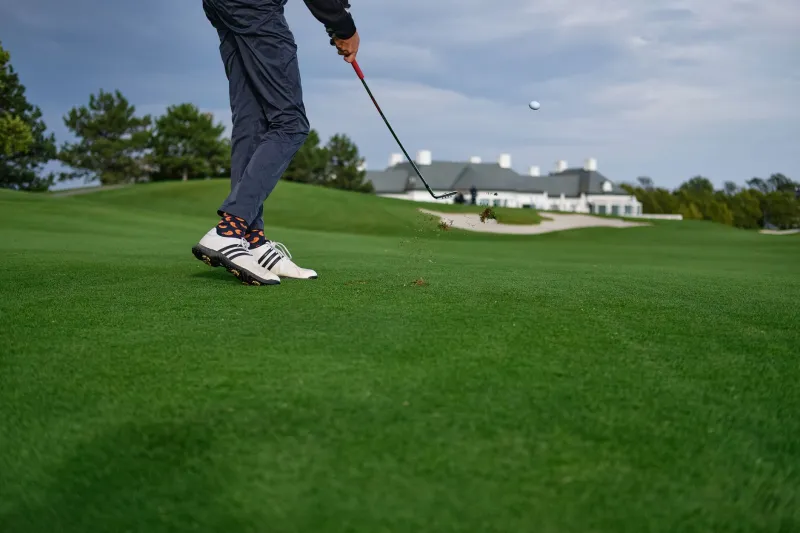
The last of the grandstands came down in late July. By November, the only visible trace of the 2026 Open at Royal Birkdale is a faint tideline of worn turf and the occasional courtesy car park sign that nobody has thought to remove. In Southport, the shop windows have changed their displays, the hospitality marquees have gone, and the Lancashire coast has returned to its customary rhythm of winter golf, sea fret and early dusk.
Yet the question that lingers is not how the championship was staged — it was, by most accounts, a considerable success — but what it leaves behind. The Open is a fortnight-long economic weather event. The “bounce” it produces is much discussed and rarely measured. Three months after the circus left town, it is worth asking who really profits when the Open leaves, and whether the gains reach beyond the clubhouse gates of a handful of celebrated links.
The Green-Fee Arithmetic
Royal Birkdale, Hillside and Southport & Ainsdale form one of the densest concentrations of championship links in Britain. All three benefit from the spotlight. Visitor green fees at the Open venue were already among the higher end of the English market; after 2026, they have firmed again. The logic is straightforward: demand from overseas visitors and corporate golfers rises after a major, and the market bears the increase. Clubs are businesses, and their pricing reflects scarcity.
The difficulty is that this uplift is highly localised. A golfer living in Liverpool or Preston who plays most of his or her golf at a municipal course or a modest members’ club will see no benefit from Birkdale’s elevated tariff. Indeed, the opposite may be true: as championship venues absorb visiting demand, the price of a round at the next tier down can also creep upwards, without any corresponding improvement in the experience. The rising tide does not lift every boat. It lifts the boats with moorings on the right stretch of coast.
Membership: Enquiries, Not Conversions
Private clubs across the region report a familiar pattern. In the weeks after the Open, enquiries rise. Some clubs speak of a noticeable increase in applications from younger players and from families who had previously regarded golf as an expensive afterthought. The Open does provide a shop window, and the spectacle of links golf at its most austere and beautiful is a powerful advertisement.
But enquiries are not conversions. Joining fees, subscription levels and the time required to play regularly remain formidable barriers. Several clubs have responded with flexible packages and introductory memberships, which is sensible. Yet the conversion rate from Open-inspired enquiry to paid-up member is rarely high, and it is too early to say whether 2026 will prove different. What is clear is that the clubs with the strongest junior programmes and the most welcoming entry points will capture whatever demand exists. Those that rely on a waiting list and a formal interview process will not.
The Caddie Economy
The caddie ranks are the most visible example of the Open’s short-term bounce. During championship week, experienced local caddies can earn more in seven days than in several months of ordinary loop-carrying. The demand is intense, the hours long, and the rewards — for those on the right bag — substantial.
Afterwards, the market reverts. Visitor play at the Open venues sustains a core of caddies through the autumn, but the surge is temporary. Several caddies who worked at Birkdale have since travelled to other events or taken winter work elsewhere. The workforce is ageing, and the Open does not solve that structural problem. A fortnight of plenty is not a career. If the championship leaves any legacy for caddies, it should be in recruitment and training, not just in a brief spike in earnings.
The High Street and the Halo
Southport and the surrounding villages had a good summer. Hotels, guest houses, pubs and restaurants benefited from the influx of visitors, and some businesses reported takings well above their usual July levels. The Open is a reliable draw for a certain kind of golfing tourist: affluent, international and inclined to linger.
Yet the halo fades quickly. By September, occupancy had normalised. Hospitality businesses face the same pressures as ever: staffing, energy costs and the challenge of persuading visitors to return in a non-championship year. The Open is a windfall, not a business plan. Those who profited most were those already equipped to handle volume — the established hotels and the well-known restaurants — rather than the smaller operators on the periphery.
The Participation Question
Here the picture is less encouraging. The promised participation bump — the idea that a major championship inspires new golfers to take up the game — is difficult to detect at the municipal courses and pitch-and-putt layouts that once fed the local golf economy. Local authority budgets remain constrained, and the courses that serve beginners and casual players are precisely those most vulnerable to cuts.
The R&A and England Golf have funded community programmes around the Open, and these are worthwhile. But they are small relative to the scale of the championship. A fortnight of elite golf does not, by itself, create a pipeline of new players. That requires affordable courses, accessible coaching and a culture of welcome at the club level. Birkdale’s neighbours in the municipal sector are not asking for a share of the gate receipts. They are asking for a policy environment that does not treat their courses as disposable assets.
The Legacy Ledger
So who profits when the Open leaves town? The championship venues, certainly: their green fees rise, their brands are enhanced, and their visitor books fill. The hospitality sector takes a welcome summer dividend. A cohort of caddies earns a lump sum. The governing bodies gain a showcase for their development messages.
But the bounce is narrow. It does not reach the municipal courses, the pitch-and-putt layouts or the ordinary club golfer on a modest budget. If the Open is to leave a genuine legacy on the Lancashire coast, the conversation after the stands come down should be about sustained investment in public golf, not just about how many enquiries a private club received in August. The morning after the Open is a good time to ask what the game actually inherited.