A Ton of Golf: Where a £100 Green Fee Works Hardest in 2026
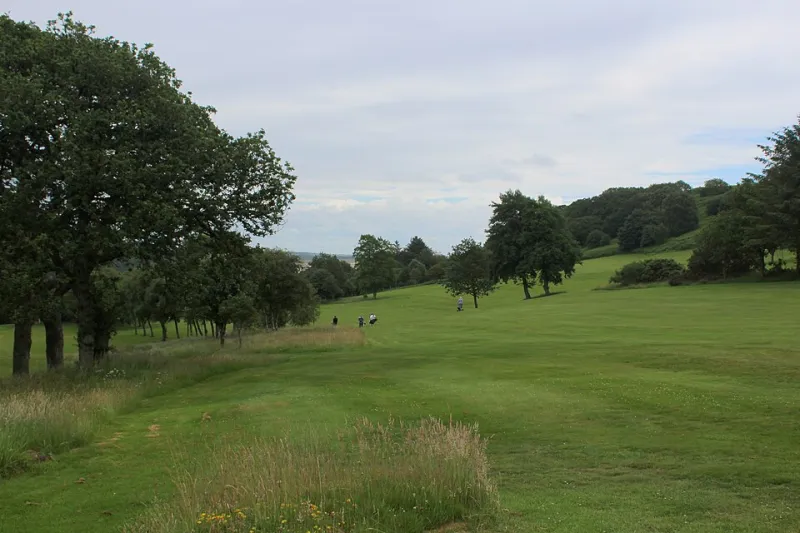
Photo: Chris Heaton , CC BY-SA 2.0, via Wikimedia Commons
A hundred pounds is an awkward sum in golf. It is too much for a casual nine, too little for a trophy course, and yet it remains the figure most travelling golfers use as a mental benchmark. For 2026, Golf International has tested that benchmark across four markets: Fife, the Algarve, southern Spain and Morocco. This is not a scientific survey of every tee time, but an indicative green-fee index built from published visitor rates, midweek and twilight availability, and the extras that appear at the till.
How the index works
We compare a single visitor round per person, converting currency at roughly £1 to €1.15. Flights, accommodation and transfers are excluded, because they distort the golf itself. The question is simple: when a British golfer hands over £100, how much golf does that buy, and what else must be paid for?
| Market | Typical peak visitor fee | What £100 secures in peak season | Twilight or off-peak | Common extras |
|---|---|---|---|---|
| Fife | £75-£120 | Most courses except the Old Course; often a strong links or parkland round | £55-£75 | Optional caddie, range balls |
| Algarve | €120-€180 | Rarely a prime morning slot; sometimes a midweek afternoon | €75-€105 | Buggy, range balls, booking fees |
| Costa del Sol | €90-€150 | A midweek round at a second-tier course; not the marquee names | €65-€90 | Buggy often mandatory, range balls |
| Marrakech | €70-€120 | Several good courses at peak; more in shoulder season | €50-€70 | Caddie or buggy, transfers |
Fife: the home advantage is real, but narrower than folklore suggests
Fife remains the most persuasive argument for spending £100 at home. The Old Course is out of reach at that price, and the same is true of the most famous championship names. But Fife has depth. A hundred pounds can secure peak-season visitor play at Lundin Links, Leven Links, Crail Balcomie or Ladybank, depending on the day and the season. In shoulder months, it can stretch to two twilight rounds at lesser-known clubs.
The practical advantage is that British golfers understand the model. Walking is the default, caddies are optional, and the green fee is usually the green fee. There is no mandatory buggy and no resort levy. A visitor can arrive by train, carry a bag, pay for a bucket of balls and still come away with change from £100 at several clubs. The catch is demand. Fife is no longer a secret, and stay-and-play packages have hardened prices around the championship weeks. Book direct, avoid the obvious dates, and the hundred-pound round is still there.
The Algarve: a hundred pounds is a deposit on the view
In the Algarve, £100 is rarely enough for a prime morning tee time in high season. The headline rate at many resort courses now sits between €120 and €180, which puts a peak round beyond the benchmark before a buggy is added. The £100 golfer is pushed towards twilight, shoulder season or a midweek afternoon slot. That can still be excellent value, but it requires flexibility.
On the ground, the extras matter. A buggy may add €40 to €50. Range balls, club hire and a booking fee can add another €10 to €20. Some resorts include range balls in the visitor rate; others do not. The result is that a €110 green fee can become a €160 afternoon. The Algarve still sells a reliable product: warm weather, consistent conditioning and resort convenience. It does not always sell it for £100.
Southern Spain: convenience has a price
The Costa del Sol is more varied than its reputation suggests. At £100, a golfer can find a midweek round at a good second-tier course, particularly in shoulder season. The marquee names are beyond the benchmark in peak months, and buggies are often mandatory in summer heat. That is not an affectation; it is a practical response to the climate. But it does mean the advertised green fee is not the final cost.
Spain's advantage is infrastructure. Airport transfers are short, courses are clustered, and a golfer can play three different styles in three days. The disadvantage is that convenience is priced in. Car hire, tolls and buggies all nibble at the hundred. Compared with Fife, Spain offers more sun and less walking. Compared with the Algarve, it can be slightly better value in the shoulder weeks, but it is not a bargain hunt in peak season.
Morocco: the value outlier, if the extras are controlled
Marrakech is the most interesting market in this index. At £100, several good courses are accessible at peak, and the shoulder season can bring genuinely impressive value. The catch is that walking is less common and caddies or buggies are part of the expected model at many clubs. Transfers from the city can also add up. A £90 green fee can become a £130 day once transport and a caddie are included.
Even so, Morocco offers something the European markets struggle to match: a sense of occasion at a price that has not yet caught up with the Algarve. The courses are varied, the weather is reliable in winter, and the visitor experience is generally well organised. For the British golfer willing to book a package rather than assemble the trip piece by piece, £100 goes further here than in Portugal's prime resorts.
The hidden extras ledger
The green fee is only the beginning. Booking platform fees, buggy hire, caddie fees, range balls, club hire, travel insurance and transfers can add 20 to 40 per cent to the headline price. In Britain, the walking culture keeps these costs lower. Abroad, the resort model often assumes a buggy and a cart path. A golfer comparing a £95 links fee in Fife with a €110 resort fee in the Algarve is not comparing like with like until the extras are counted.
The verdict
For pure green-fee value, Britain still wins. A hundred pounds buys more golf, more walking and fewer compulsory extras in Fife than it does in the Algarve at peak. Spain is comparable in shoulder season, and Morocco can beat both if the trip is packaged sensibly. But value is not only price. The British golfer who wants winter sun, resort conditioning and a short flight will find that £100 does less work abroad than at home. The golfer who wants the most rounds for the money should stay in Britain, book twilight and avoid the championship calendar. In 2026, a hundred pounds is still a useful test. It simply answers a different question in Fife than it does in the Algarve.