No Departure Lounge Required: Six Ferry-Led Golf Breaks for 2026
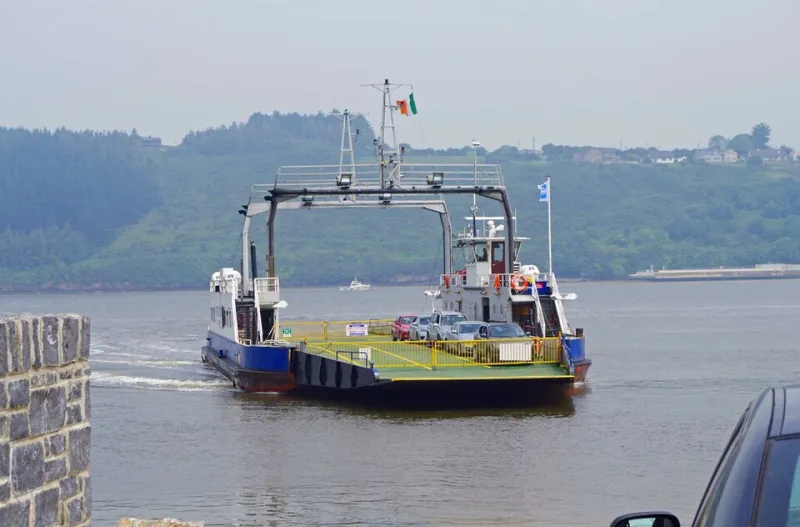
Photo: P L Chadwick , CC BY-SA 2.0, via Wikimedia Commons
For many British golfers, the phrase 'overseas golf break' still conjures an airport terminal, a baggage carousel and a minibus transfer. Yet for a certain kind of traveller — one with a car, a set of clubs and a mild aversion to the departures board — the ferry offers a calmer and often more characterful alternative. The crossing becomes part of the trip rather than an ordeal to be endured. For 2026, with baggage charges and airport hassle showing no sign of retreating, the case for driving to the coast and sailing away deserves a fresh look.
The following six ideas are not intended as an exhaustive list. They are practical starting points, chosen for the quality of the golf, the ease of the crossing and the distinctiveness of the place. Each involves a ferry from a British port and a car at the other end. None requires a departure lounge.
1. Brittany: the Roscoff run
The crossing: Brittany Ferries from Plymouth to Roscoff, or Portsmouth to St Malo. The Plymouth route is the more straightforward for west-country golfers, with daytime and overnight options.
The golf: Golf de Pléneuf-Val-André, on the Brittany coast, is a proper seaside club with clifftop holes, a compact and welcoming clubhouse and a sense of provincial French golf that has not been over-polished. The course is not a championship monster, but it asks for thoughtful driving and a sound short game when the wind gets up.
Who it suits: Couples and small groups who value seafood, modest green fees and a slower pace. It is also a sensible first ferry trip for golfers who want to test the format without committing to a long crossing.
2. Normandy: Omaha and the long weekend
The crossing: Portsmouth to Caen, with the advantage of an overnight sailing that leaves the day free on arrival.
The golf: Omaha Beach Golf Club, near Port-en-Bessin, offers 36 holes in a landscape that is both links-like and parkland in character. The exposed holes demand respect, while the history of the surrounding coast gives the trip a weight beyond the scorecard. It is not a course that rewards careless golf, but it is a memorable place to play.
Who it suits: Fourballs and small societies looking for a short, history-rich break. The drive from the port is manageable, and the region is well suited to a long weekend rather than a full week.
3. Belgian coast: Royal Ostend
The crossing: Dover to Dunkirk with DFDS, followed by a straightforward drive along the coast.
The golf: Royal Ostend Golf Club, at De Haan, is one of the Continent's older seaside clubs and a fine example of links golf in a minor key. The terrain is rumpled, the wind is rarely absent and the clubhouse carries the easy confidence of a place that has been doing this for a long time.
Who it suits: Links purists and golfers who prefer a short, sharp trip to a longer resort stay. It pairs well with Belgian beer, seafood and a night or two on the coast.
4. Netherlands: polder golf and city time
The crossing: Harwich to Hook of Holland with Stena Line, an overnight route that puts you ashore in time for breakfast.
The golf: Golfbaan Dirkshorn, in North Holland, is a polder course in the truest sense: flat, exposed, water-strewn and surprisingly demanding. The wind does much of the defending, and the tight lines reward accuracy over power. It is a useful corrective for golfers raised on parkland.
Who it suits: City-break golfers who want to combine a round with time in Amsterdam, Haarlem or Alkmaar. It also suits couples where one partner plays and the other prefers museums and coffee.
5. Ireland: Dublin's links without the airport
The crossing: Holyhead to Dublin with Irish Ferries or Stena Line, with a car at the other end.
The golf: The Island Golf Club at Donabate is a classic links set among dunes north of Dublin. It is not as famous as some of its neighbours, which is part of its appeal. The fairways are natural, the rough is punishing and the whole place feels pleasingly removed from the city even though it is only a short drive away.
Who it suits: Serious golfers who want a genuine links test without the airfare. It works well for a two- or three-night trip, with Dublin available for the evenings.
6. Northern Spain: the long crossing to Cantabria
The crossing: Brittany Ferries from Portsmouth or Plymouth to Santander. This is the long option, and it should be treated as part of the holiday rather than a means to an end.
The golf: Real Golf de Pedreña, near Santander, is a parkland course with a notable place in the game's history and a setting that blends trees, hills and water. It is subtler than a seaside links, but no less engaging, and the surrounding region offers excellent food and wine.
Who it suits: Golfers with time on their hands, families who enjoy the crossing and anyone who prefers a holiday with a slower rhythm. The long ferry is not for the impatient, but it is a civilised way to travel with clubs in the boot.
The practical case
Ferry travel is not carbon-free, and it is not always cheap once cabins and meals are added. But it avoids the particular friction of flying with golf clubs: the bag fees, the damage risk and the rigid timetable. It also allows golfers to pack properly, bring a spare pair of shoes and stop where they like on the way.
For 2026, the appeal is not merely environmental. It is a matter of temperament. Some golfers want the fastest route to the first tee. Others want the drive, the crossing and the sense of arriving somewhere different. The ferry serves the second group well.